
AFP Asia Business
Syrian architect uses drone footage to help rebuild hometown
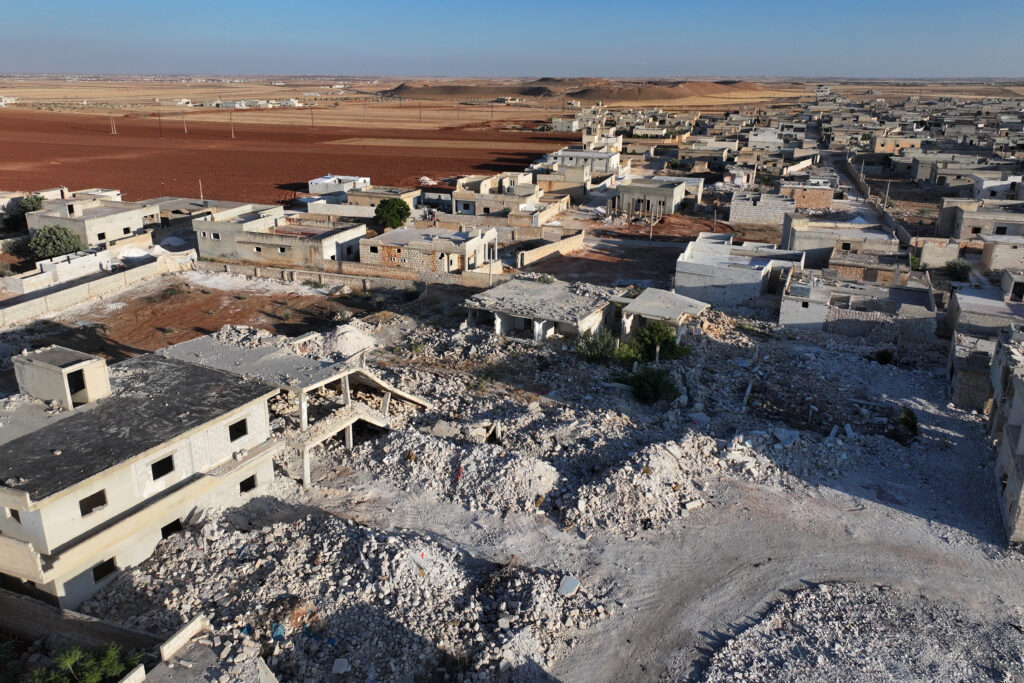
Syrian architect Abdel Aziz al-Mohammed could barely recognise his war-ravaged village when he returned after years away. Now, his meticulous documentation of the damage using a drone helps to rebuild it.”When I first came back, I was shocked by the extent of the destruction,” said Mohammed, 34.Walking through his devastated village of Tal Mardikh, in Syria’s northwestern Idlib province, he said he could not recognise “anything, I couldn’t even find my parents’ home”.Nearly half of Tal Mardikh’s 1,500 homes have been destroyed and the rest damaged, mainly due to bombardment by the former Syrian army.Mohammed, who in 2019 fled the bombardment to near the Turkish border, first returned days after an Islamist-led offensive toppled longtime ruler Bashar al-Assad in December.The architect, now based in Idlib city, had documented details of Tal Mardikh’s houses and streets before fleeing, and afterwards used his drone to document the destruction.When he returned, he spent two weeks carefully surveying the area, going from home to home and creating an interactive map showing the detailed conditions of each house.”We entered homes in fear, not knowing what was inside, as the regime controlled the area for five years,” he said.Under the blazing sun, Mohammed watched as workers restored a house in Tal Mardikh, which adjoins the archaeological site of Ebla, the seat of one of ancient Syria’s earliest kingdoms.His documentation of the village helped gain support from Shafak, a Turkey-based non-governmental organisation which agreed to fund the reconstruction and rehabilitation of 434 out of 800 damaged homes in Tal Mardikh.The work is expected to be completed in August, and includes the restoration of two wells and sanitation networks, at a cost of more than one million dollars.- ‘Full of hope’ -Syrians have begun returning home after Assad’s ouster and following nearly 14 years of civil war that killed over half a million people and displaced millions of others internally and abroad.According to the United Nations refugee agency, UNHCR, more than 600,000 Syrians had returned home from abroad, while around 1.5 million internally displaced people have gone back to their regions of origin.The agency estimates that up to 1.5 million Syrians from abroad and two million internally displaced people could return by the end of this year.Around 13.5 million currently remain displaced internally or abroad, according to UNHCR figures for May.In Tal Mardikh, Alaa Gharib, 45, is among only a few dozen residents who have come back.”I lived in tents for seven years, and when liberation came, I returned to my village,” said Gharib, whose home is among those set for restoration.He is using a blanket as a makeshift door for his house which had “no doors, no windows, nothing”.After Western sanctions were lifted, Syria’s new authorities are hoping for international support for post-war reconstruction, which the UN estimates could cost more than $400 billion.Efforts have so far been limited to individuals or charities, with the government yet to launch a reconstruction campaign.Architect Mohammed said his dream was “for the village to be rebuilt, for people and life to return”.He expressed hope to “see the Syria we dream of… the Syria full of hope, built by its youth”.

Thailand makes new proposal to restrict cannabis sales
Thailand’s government has announced a plan to tighten the rules on selling cannabis, the kingdom’s latest attempt to restrict the drug, three years after it was decriminalised.The kingdom was the first country in Southeast Asia to decriminalise the drug when it removed cannabis from the list of banned narcotics in June 2022.The intention was to …
Thailand makes new proposal to restrict cannabis sales Read More »
Tunisia U-turn on phosphate plant sparks anger in blighted city
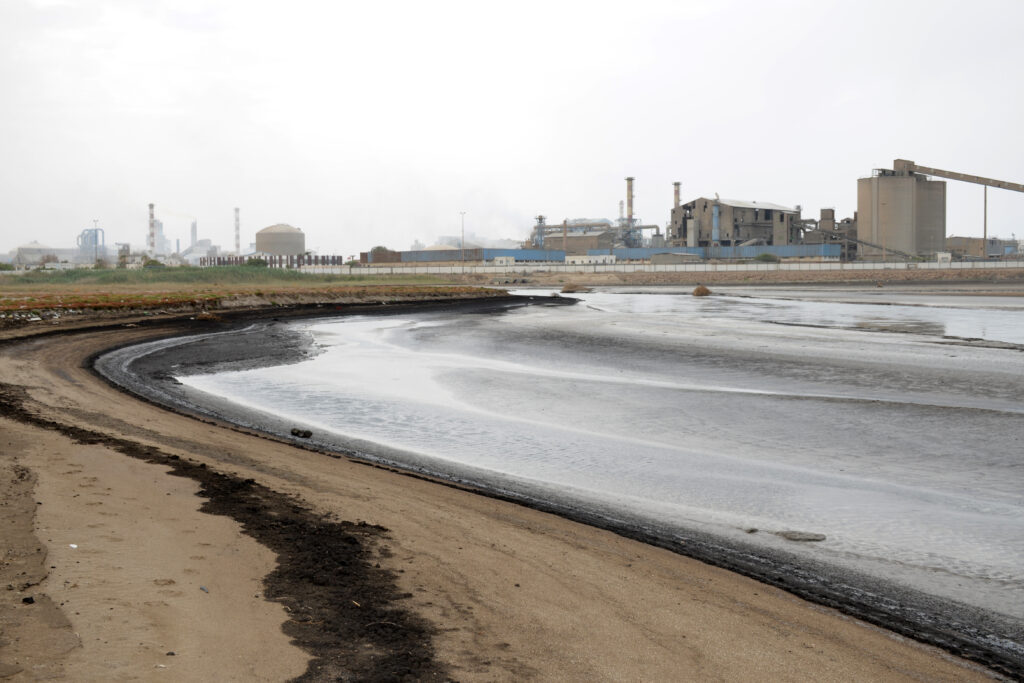
The bedroom of 74-year-old Cherifa Attia smells like burnt rubber. The vast phosphate processing plant beside her home has been belching out toxic fumes into the atmosphere, blighting this Tunisian city.”This is killing us,” said Cherifa as the foul air permeated her home. “That’s all we breathe. Day and night.” Residents of Gabes, a city of around 400,000 people, have been campaigning for decades against the pollution from the plant, finally winning a promise from the government in 2017 to begin its gradual closure.But with Tunisia now mired in public debt, the current government has gone back on that promise and is planning a fivefold increase in fertiliser output at Gabes in a bid to boost hard currency earnings.The North African country used to be the world’s fifth largest producer but has fallen back to 10th over the past decade and a half.President Kais Saied has vowed to revitalise the sector and reverse long years of underinvestment in the Gabes plant.The U-turn has angered environmental campaigners who had pressed successive governments to honour the 2017 pledge.”This plant harms the air, the sea and all forms of life,” said Khayreddine Debaya coordinator of local campaign group Stop Pollution.”We waited on successive governments to act on the 2017 decision, but the current one has visibly abandoned the idea,” Debaya added.Cherifa said she had survived breast and uterus cancers, while her 76-year-old sister, Naftia, complained of heart complications.Both women blame toxic waste from the plant for their health conditions.- Radioactive -The processing of phosphate rock into fertiliser emits toxic gases such as sulphur dioxide and ammonia.The main solid waste product is phosphogypsum, which the plant discharges into the Mediterranean. It contains radioactive radium that decays into radon gas, which is also radioactive and can cause cancer.But the government has announced that it will no longer consider phosphogypsum as hazardous waste.Phosphate processing emits other toxic gases such as sulphur dioxide and ammonia, while heavy metals like lead and arsenic can contaminate the soil and groundwater.The US National Institute of Health says exposure to the waste from phosphate processing can cause “hepatic failure, autoimmune diseases, pulmonary disorders and other health problems”.And a study by Geosciences Environnement Toulouse in December found that the Gabes plant was releasing “high levels of toxic contaminants”.It cited “devastating consequences” for residents’ health including “heart malformations”, “congenital” diseases and “lung, nose, breast, liver, kidney, stomach, blood” issues.The absence of official figures makes it hard to pin down the health consequences for the people of Gabes.Many medical professionals in the city are reluctant to speak out for fear of repercussions from the authorities.One oncologist in Gabes interviewed by AFP refused to comment on cases specific to the city.The plant employs 4,000 people and provides work to many more indirectly, an important consideration in a city where one in four people of working age was jobless in 2019, the last year for which official figures are available.”If the authorities don’t want to remove it, they should at least stop dumping those materials into the air and sea,” said Gabes resident Mouna Bouali, 45.”Since they make so much money out of phosphate, they should be able to afford a clean environment.”- ‘Cheering our own demise’ -Bouali’s widowed mother, Dhahbia, who said she suffered from an autoimmune disorder, said she hoped authorities would relocate them.”Let them take all of Gabes,” Dhahbia said. “We don’t want this city anymore. The state gets the money and we get diseases.”The 67-year-old said she considered selling the family home to move elsewhere, but that proved impossible: “Who would buy a house here?””Everything is dying in Gabes,” said her daughter.Hundreds have protested outside the provincial governor’s office in recent weeks, brandishing placards reading: “I want to live”.Authorities did not respond to repeated requests from AFP for comment.The two families interviewed by AFP both said they voted for Saied in the 2019 election which brought him to power, hoping he might change things for the better in Tunisia’s neglected south.Yet it was at his behest that the North African country is now counting on phosphates to boost its struggling economy. They are a “pillar of the national economy”, Saied said.The government wants to increase the plant’s output from less than three million tonnes a year now to 14 million tonnes a year by 2030 to take advantage of rising world fertiliser prices.For Cherifa and Naftia, it is the latest false dawn touted by the country’s leaders. They still remember the celebrations in Gabes when then president Habib Bourguiba first opened the phosphates plant in 1972.”We went out in the street singing and clapping,” said Naftia. “We didn’t know we were cheering our own demise.”

Nvidia hits fresh record while global stocks are mixed
Global stocks were mixed Wednesday as markets weighed lingering worries about the Iran-Israel conflict while Nvidia surged to a fresh all-time high on bullishness over artificial intelligence.Analysts cited not only concerns that the ceasefire between Iran and Israel could break down, but leaked US intelligence that said strikes had set back Tehran’s nuclear program by …
Nvidia hits fresh record while global stocks are mixed Read More »
Iran-Israel war: latest developments
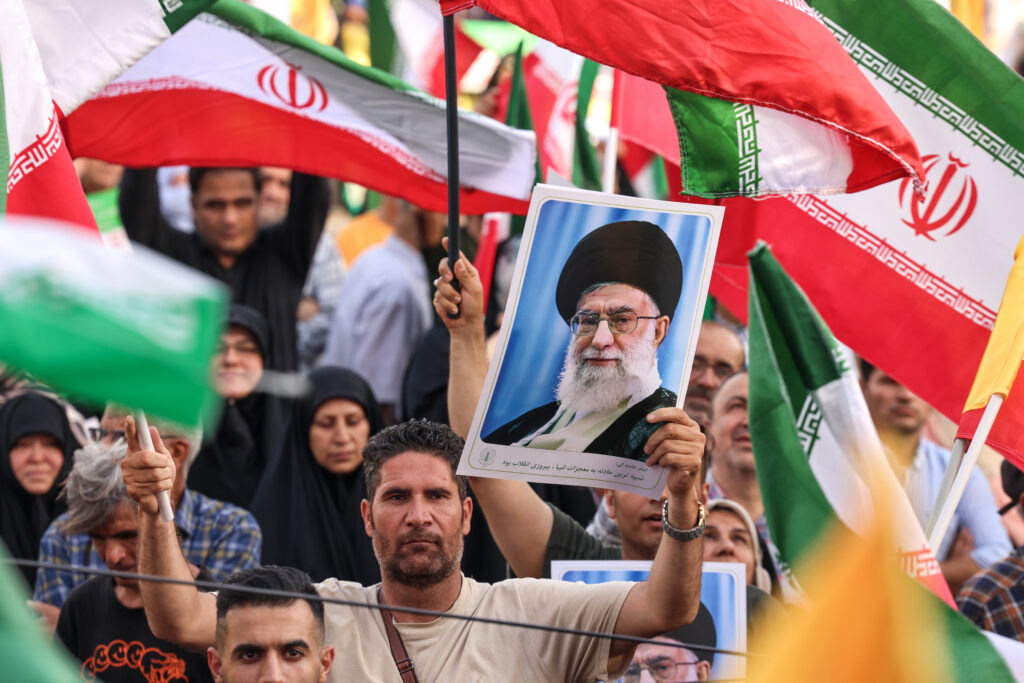
President Donald Trump said Wednesday that the fledgling ceasefire between Israel and Iran was going “very well” and teased new nuclear talks with Tehran, as leaked US intelligence cast doubt on the damage done to the Islamic republic’s atomic programme.Here are the latest developments on the second day of the ceasefire:- Iran-US talks -Trump said that the United States would hold fresh nuclear negotiations with Iran, even after boasting that US strikes had crippled its atomic programme.He told reporters that Israel and Iran were “both tired, exhausted” after 12 days of war, going on to say that talks with Tehran were planned for “next week”.”We may sign an agreement. I don’t know,” he added. “I mean, they had a war, they fought, now they’re going back to their world. I don’t care if I have an agreement or not.”Iranian President Masoud Pezeshkian had said on Tuesday his country was willing to return to negotiations, but would continue to “assert its legitimate rights” to the peaceful use of nuclear energy.- ‘Decades’ of damage -Trump insisted that US strikes had resulted in the “total obliteration” of Iran’s nuclear capabilities, setting the country’s programme back by “decades”.”They’re not going to be building bombs for a long time,” said Trump, who added that the ceasefire since Tuesday was going “very well”.But US media had earlier cited people familiar with a preliminary US intelligence report as saying that weekend strikes did not fully eliminate Iran’s centrifuges or stockpile of enriched uranium.The US bombardments sealed off entrances to some facilities without destroying underground buildings, setting Iran’s nuclear programme back by several months, according to the Defense Intelligence Agency report.- ‘Significant hit’ -The Israeli military said it had delivered a blow to Iran’s nuclear programme, but added that it was “still early to assess the results of the operation”.”I believe we have delivered a significant hit to the nuclear programme, and I can also say that we have delayed it by several years,” military spokesman Brigadier General Effie Defrin said in a televised press conference.Israeli Prime Minister Benjamin Netanyahu on Tuesday hailed a “historic victory” in the 12-day conflict and vowed to thwart “any attempt” by Iran to rebuild its nuclear programme.- ‘Disgraceful’ -Iran’s foreign ministry spokesman Esmaeil Baqaei branded NATO Secretary General Mark Rutte’s gushing note to Trump on the US strikes as “disgraceful, despicable and irresponsible”.While Iranian officials have yet to disclose the exact scale of the damage resulting from US and Israeli strikes on nuclear facilities, Baqaei told Al Jazeera English that they had been “badly damaged”.- Ground troops in Iran -Israeli military chief Eyal Zamir said Wednesday that commandos had operated secretly inside Iran, “deep within enemy territory and created operational freedom of action for us” during the war.He was the first Israeli official to say publicly that Israeli soldiers had operated on the ground in the Islamic republic.The head of Israel’s Mossad intelligence service, meanwhile, thanked the US Central Intelligence Agency (CIA) for its help in “joint” operations during the war.He said the CIA “supported Mossad in making the right decisions”, spy chief David Barnea said.The extent of the purported help provided by the CIA is unknown.- Iran eases internet curbs -Iranian authorities announced the gradual easing of internet restrictions imposed during the war.”The communication network is gradually returning to its previous state,” said the Revolutionary Guards’ cybersecurity command in a statement carried by state media.The Islamic republic also reopened the airspace over its eastern half, transport ministry spokesman Majid Akhavan said, according to the official IRNA news agency.Flights in other parts of Iran, including the capital Tehran, “are not permitted until further notice”, Akhavan noted.- State funerals -Iran will hold state funerals on Saturday for senior military commanders and top scientists killed during the war.Hossein Salami, the Revolutionary Guards chief killed by Israel on the war’s first day on June 13, will be laid to rest in central Iran on Thursday.According to the Iranian health ministry, Israeli strikes during the war killed at least 627 civilians.Iran’s attacks on Israel killed 28 people, according to Israeli figures.- Iran MPs on IAEA -Iranian lawmakers voted Wednesday in favour of suspending cooperation with the United Nations nuclear watchdog.”The International Atomic Energy Agency, which refused to even marginally condemn the attack on Iran’s nuclear facilities, put its international credibility up for auction,” Iran’s parliament speaker Mohammad Bagher Ghalibaf said, according to state TV.The decision still requires the approval of the Guardian Council, a body empowered to vet legislation.burs-ser/smw/kir
Trump sees ‘progress’ on Gaza, raising hopes for ceasefire
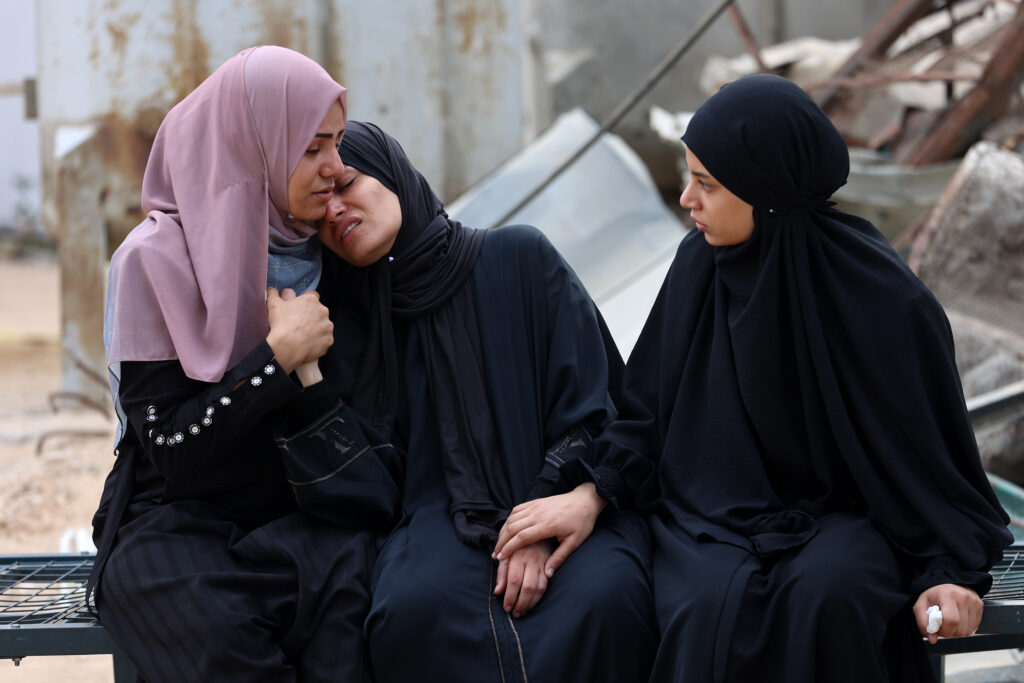
US President Donald Trump said Wednesday that progress was being made to end the Israel-Hamas war in Gaza, as a new ceasefire push began more than 20 months since the start of the conflict.”I think great progress is being made on Gaza,” Trump told reporters, adding that his special envoy Steve Witkoff had told him: “Gaza is very close.”He linked his optimism about imminent “very good news” to a ceasefire agreed on Tuesday between Israel and Hamas’s backer Iran to end their 12-day war.Israeli Prime Minister Benjamin Netanyahu faces growing calls from opposition politicians, relatives of hostages being held in Gaza and even members of his ruling coalition to bring an end to the fighting, triggered by Palestinian militant group Hamas’s October 7, 2023 attack.Key mediator Qatar announced Tuesday that it would launch a new push for a ceasefire, with Hamas on Wednesday saying talks had stepped up.”Our communications with the brother mediators in Egypt and Qatar have not stopped and have intensified in recent hours,” Hamas official Taher al-Nunu told AFP.He cautioned, however, that the group had “not yet received any new proposals” to end the war.The Israeli government declined to comment on any new ceasefire talks beyond saying that efforts to return Israeli hostages in Gaza were ongoing “on the battlefield and via negotiations”.- ‘No clear purpose’ -Israel sent forces into Gaza to root out Iran-linked Hamas and rescue hostages after the group’s October 2023 attack, which resulted in the deaths of 1,219 people, mostly civilians, according to an AFP tally based on official figures.Israel’s military campaign has killed at least 56,156 people, also mostly civilians, according to the health ministry in Hamas-run Gaza. The United Nations considers its figures reliable.In one of the war’s deadliest incidents for the Israeli army, it said seven of its soldiers were killed on Tuesday in southern Gaza, taking its overall losses in the territory to 441.The latest losses led to rare criticism of the war effort by the leader of the ultra-Orthodox United Torah Judaism party, a partner in Netanyahu’s coalition government.”I still don’t understand why we are fighting there… Soldiers are getting killed all the time,” lawmaker Moshe Gafni told a hearing in the Israeli parliament on Wednesday.The slain soldiers were from the Israeli combat engineering corps and were conducting a reconnaissance mission in the Khan Yunis area when their vehicle was targeted with an explosive device, according to a military statement.At the funeral of 20-year-old Staff Sergeant Ronel Ben-Moshe in Rehovot south of Tel Aviv on Wednesday, inconsolable loved ones sobbed alongside babyfaced soldiers in uniform.One former comrade who served with Ben-Moshe in Gaza told AFP of the strain the war was putting on soldiers, saying it was time for it to end.”Me, I was unable to complete my military service. I was so bad off mentally that I was demobilised,” said the former soldier, who gave his name only as Ariel.”I have seen so many kids like me die. It’s time for it to stop.”The Hostages and Missing Families Forum, the main group representing relatives of captives held in Gaza, endorsed the call to end the war.”The war in Gaza has run its course, it is being conducted with no clear purpose and no concrete plan,” the group said in a statement.Of the 251 hostages seized by Palestinian militants during the Hamas attack, 49 are still held in Gaza, including 27 the Israeli military says are dead.Human rights groups say Gaza and its population of more than two million face famine-like conditions due to Israeli restrictions, with near-daily deaths of people queuing for food aid.- Gunfire near aid site – Gaza’s civil defence agency said Wednesday that Israeli fire killed another 35 people, including six who were waiting for aid.Civil defence spokesman Mahmud Bassal told AFP that a crowd of aid-seekers was hit by Israeli “bullets and tank shells” in an area of central Gaza where Palestinians have gathered each night in the hope of collecting rations.Contacted by AFP, the Israeli military said it was “not aware of any incident this morning with casualties in the central Gaza Strip”.The United Nations on Tuesday condemned the “weaponisation of food” in Gaza, and slammed a US- and Israeli-backed body that has largely replaced established humanitarian organisations there.The privately run Gaza Humanitarian Foundation (GHF) was brought into the Palestinian territory at the end of May, but its operations have been marred by chaotic scenes, deaths and neutrality concerns.The GHF has denied that deadly incidents have occurred in the immediate vicinity of its aid points.The Gaza health ministry says that since late May, nearly 550 people have been killed near aid centres while seeking scarce supplies. burs-cl/kir/smw
Trump teases Iran talks next week, says nuclear programme set back ‘decades’
President Donald Trump said Wednesday that the United States would hold nuclear talks with Iran next week, teasing the possibility of a deal even after boasting that recent US strikes had crippled the Islamic republic’s atomic programme.Trump credited the unprecedented US attacks with the “total obliteration” of Iran’s nuclear capabilities, and said they had set the country’s programme back “decades”.But leaked US intelligence cast doubt on that assessment, saying the strikes had likely delayed Tehran by just a few months.Before the agreement of a ceasefire on Tuesday, Israel had pounded Iranian nuclear and military sites over the course of 12 days of war, while Iran launched waves of missiles at its regional arch foe in their deadliest-ever confrontation.The United States joined the fray in support of its ally, hitting two nuclear facilities with massive bunker-buster bombs over the weekend, while a guided missile from a submarine struck a third.”They’re not going to be building bombs for a long time,” said Trump, adding the strikes had set back the programme by “decades” and that the ceasefire that he declared was going “very well”.He later told reporters that Israel and Iran were “both tired, exhausted”, going on to say that talks were planned with Iran “next week”.”We may sign an agreement. I don’t know,” he added.Iranian President Masoud Pezeshkian had said on Tuesday his country was willing to return to negotiations over its nuclear programme, but that it would continue to “assert its legitimate rights” to the peaceful use of atomic energy.- ‘Still early’ -Israel’s military said Wednesday it was “still early” to assess the damage the war caused to Iran’s nuclear programme.”I believe we have delivered a significant hit to the nuclear programme, and I can also say that we have delayed it by several years,” said Israeli military spokesman Effie Defrin.Iran’s foreign ministry spokesman Esmaeil Baqaei acknowledged to Al Jazeera that its “nuclear installations have been badly damaged, that’s for sure”.But US media on Tuesday cited people familiar with a Defense Intelligence Agency report as saying the American strikes did not fully eliminate Iran’s centrifuges or enriched uranium stockpiles.The strikes sealed off entrances to some facilities without destroying underground buildings, according to the report.Israel had said its bombing campaign, which began on June 13, was aimed at preventing Iran from acquiring a nuclear weapon, an ambition Tehran has consistently denied.Its commandos had also operated inside Iran during the conflict, Israel’s army chief publicly acknowledged for the first time on Wednesday.”The forces operated in secret deep within enemy territory and created operational freedom of action for us,” chief of staff Eyal Zamir said in a televised address.- ‘The same intensity’ -Israeli Prime Minister Benjamin Netanyahu, in an address to the nation after the ceasefire, announced that “we have thwarted Iran’s nuclear project”.”And if anyone in Iran tries to rebuild it, we will act with the same determination, with the same intensity, to foil any attempt,” he said.Iranian lawmakers on Wednesday voted in favour of suspending cooperation with the United Nations nuclear watchdog, state television reported.”The International Atomic Energy Agency, which refused to even marginally condemn the attack on Iran’s nuclear facilities, put its international credibility up for auction,” parliament speaker Mohammad Bagher Ghalibaf said, according to the broadcaster.The decision to suspend cooperation with the IAEA still requires the approval of the Guardian Council, a body empowered to vet legislation.In an interview with the Al Araby Al Jadeed news outlet, Foreign Minister Abbas Araghchi said Iran remained committed to the Non-Proliferation Treaty but that it had failed to “protect us or our nuclear programme”, adding without elaborating that Iran’s approach towards the regime “will undergo changes”.- ‘Finally, we can sleep’ -While Iran and Israel have been locked in a shadow war for decades, their 12-day conflict was by far the most destructive confrontation between them.Israeli strikes hit nuclear and military targets — killing scientists and senior military figures — as well as residential areas, prompting waves of Iranian missile fire on Israel.Tehran remained relatively quiet on Wednesday, with many shops still shuttered and only some restaurants open, though there was more life on the streets than during the height of the war.”Thank God, the situation has improved, the ceasefire has been reached, and people have returned to work and their lives,” said one resident, a 39-year-old salesman who gave his name as Saeed.Others, however, were uncertain whether the peace would hold.”I really don’t know… about the ceasefire but honestly, I don’t think things will return to normal,” said 28-year-old Amir.Some Israelis, meanwhile, welcomed the truce.”Finally, we can sleep peacefully. We feel better, less worried, for the kids, for the family. And I hope it stays that way,” said Yossi Bin, a 45-year-old engineer in Tel Aviv.Israeli strikes on Iran killed at least 627 civilians, according to the health ministry.Iran’s attacks on Israel killed 28 people, according to Israeli figures.burs-smw/kir