
AFP Asia Business

North Korea bars foreign tourists from new seaside resort
North Korea has barred foreigners from a newly opened beach resort, the country’s tourism administration said this week, just days after Russia’s top diplomat visited the area.The sprawling seaside resort on its east coast, North Korean leader Kim Jong Un’s pet project, opened to domestic visitors earlier this month with great fanfare in state-run media.Dubbed …
North Korea bars foreign tourists from new seaside resort Read More »

China mulls economy-boosting measures to counter ‘severe situation’
China has a “plentiful” toolbox to avoid an economic slump in the second half of the year, its commerce minister said Friday as he admitted it faced a “very severe and complex situation”.Growth hit 5.2 percent in the second quarter, official data showed Tuesday, but analysts have warned that more must be done to boost …
China mulls economy-boosting measures to counter ‘severe situation’ Read More »
Japan rice prices double, raising pressure on PM
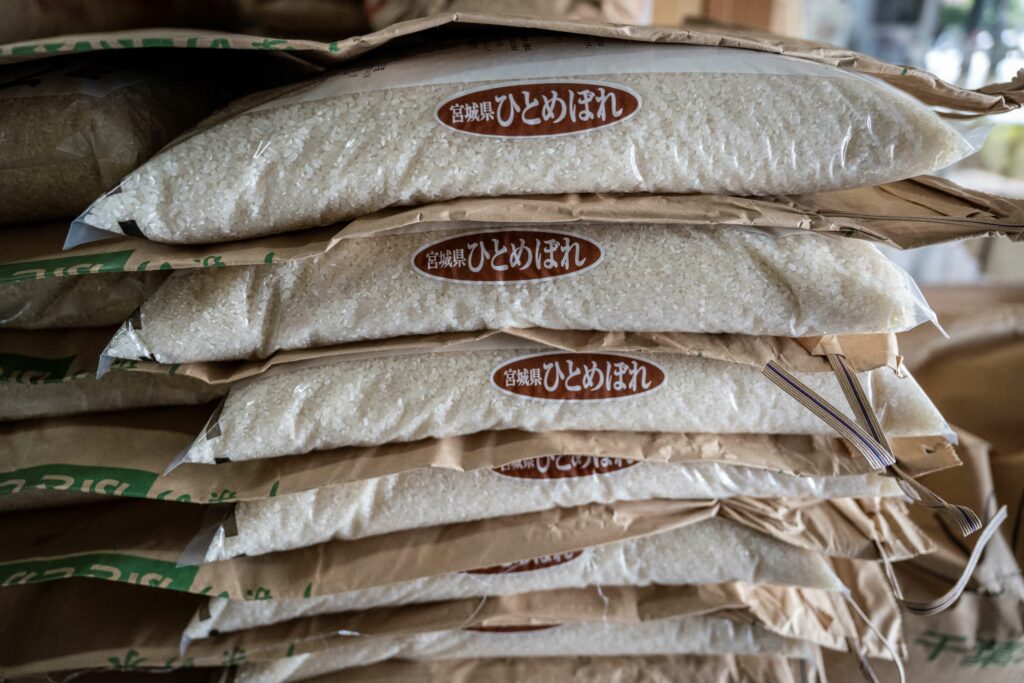
Rice prices in Japan soared 99.2 percent in June year-on-year, official data showed Friday, piling further pressure on Prime Minister Shigeru Ishiba ahead of elections this weekend.Public support for Ishiba’s administration has tumbled to its lowest level since he took office last year, partly because of frustration over the cost of living.One of the main …
Japan rice prices double, raising pressure on PM Read More »

Japan’s SMEs ready to adapt to Trump tariffs
Small and medium-sized firms like Mitsuwa Electric that form the backbone of Japan’s economy have weathered many storms over the decades, and company president Yuji Miyazaki is hopeful they will also withstand Donald Trump.As part of a campaign against friend and foe, the US president has threatened 25 percent tariffs on imports of Japanese goods …
Syria troops quit Druze heartland after violence leaves nearly 600 dead
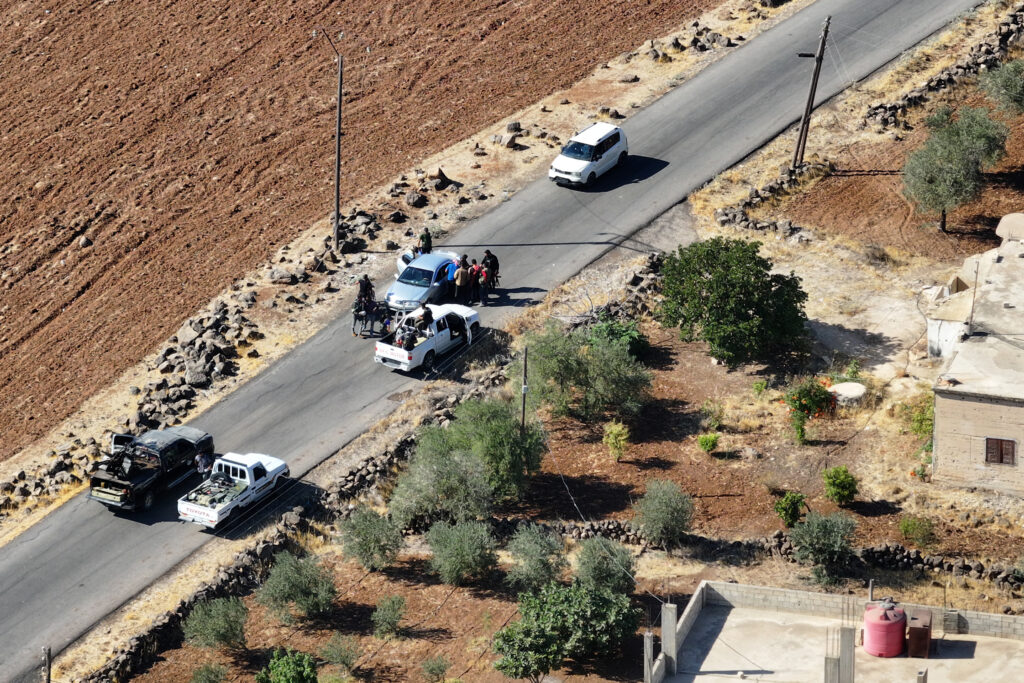
Syrian troops on Thursday pulled out of the Druze heartland of Sweida on the orders of the Islamist-led government, following days of deadly clashes that killed nearly 600 people, according to a war monitor.The southern province has been gripped by deadly sectarian bloodshed since Sunday, with hundreds reportedly killed in clashes pitting Druze fighters against Sunni Bedouin tribes and the army and its allies.The city of Sweida was desolate on Thursday, AFP correspondents on the ground reported, with shops looted, homes burnt and bodies in the streets.”What I saw of the city looked as if it had just emerged from a flood or a natural disaster,” Hanadi Obeid, a 39-year-old doctor, told AFP.Syria’s interim President Ahmed al-Sharaa said in a televised speech that community leaders would resume control over security in Sweida “based on the supreme national interest”, after the deployment of government troops on Tuesday fuelled the intercommunal bloodshed and prompted Israeli military intervention.The Syrian Observatory for Human Rights said that 594 people had been killed in clashes in Sweida province since Sunday.The UN’s humanitarian agency, OCHA, said that “nearly 2,000 families have been displaced” by the violence across the province.Israel had hammered government troops with air strikes during their brief deployment in Sweida and also struck targets in and around the capital Damascus, including the military headquarters, warning that its attacks would intensify until the government pulled back.The Observatory reported that three people were killed in Damascus by the Israeli strikes.Syria’s state-run news agency SANA later reported the first Israeli attack on the area since government forces withdrew, with strikes on the outskirts of Sweida.The Syrian presidency meanwhile accused Druze fighters in Sweida of violating the ceasefire that led to the withdrawal of government forces.In a statement, the presidency accused “outlaw forces” of violating the agreement through “horrific violence” against civilians.The presidency also warned against “continued blatant Israeli interference in Syria’s internal affairs, which only leads to further chaos and destruction and further complicates the regional situation”.- Promise of ‘protection’ -Sharaa, whose Islamist-led interim government has had troubled relations with minority groups since it toppled longtime president Bashar al-Assad in December, pledged to protect the Druze, a religious minority.”We are keen on holding accountable those who transgressed and abused our Druze people, as they are under the protection and responsibility of the state,” said Sharaa, whose Hayat Tahrir al-Sham movement was once linked to Al-Qaeda.More than 1,700 mostly Alawite civilians were massacred in their heartland on the Mediterranean coast in March, with government-affiliated groups blamed for most of the killings. Government forces also battled Druze fighters in Sweida and near Damascus in April and May, leaving more than 100 people dead.Government troops had entered Sweida on Tuesday with the stated aim of overseeing a truce, following days of deadly sectarian clashes.But witnesses said that government forces instead joined the Bedouin in attacking Druze fighters and civilians.- US mediation -The Syrian president also hit out at Israel’s military intervention, saying that it would have pushed “matters to a large-scale escalation, except for the effective intervention of American, Arab and Turkish mediation, which saved the region from an unknown fate”.The United States — a close ally of Israel that has been trying to reboot its relationship with Syria — said late Wednesday that an agreement had been reached to restore calm in the area, urging “all parties to deliver on the commitments they have made”.A US State Department spokesperson said that Washington “did not support (the) recent Israeli strikes”.Foreign ministers from 11 countries in the region, including the UAE, Saudi Arabia, Qatar and Turkey, affirmed their support for the Syrian government in a joint statement released by the United Arab Emirates’ foreign ministry on Thursday.They strongly condemned the Israeli attacks, describing them as a “blatant violation of international law and a flagrant assault on Syria’s sovereignty”, the statement said.Israeli Prime Minister Benjamin Netanyahu said on Thursday that the ceasefire was a result of his country’s “powerful action”.Israel, which has its own Druze community, has presented itself as a defender of the group, although some analysts say that is a pretext for pursuing its own military goal of keeping Syrian government forces away from the Israeli-occupied Golan Heights.Dozens of Druze gathered in the Israeli-occupied Golan Heights on Thursday, hoping to catch a glimpse of relatives on the Syrian-held side who might try to cross the barbed-wire frontier. Qamar Abu Saleh, a 36-year-old educator, said that some people “opened the fence and entered, and people from Syria also started crossing here”.”It was like a dream, and we still can’t believe it happened.”burs-nad/rlp/tc/sco
Syria troops quit Druze heartland after violence leaves over 500 dead
Syrian troops on Thursday pulled out of the Druze heartland of Sweida on the orders of the Islamist-led government, following days of deadly clashes that killed more than 500 people, according to a war monitor.The southern province has been gripped by deadly sectarian bloodshed since Sunday, with hundreds reportedly killed in clashes pitting Druze fighters against Sunni Bedouin tribes and the army and its allies.The city of Sweida was desolate on Thursday, AFP correspondents on the ground reported, with shops looted, homes burnt and bodies in the streets.”What I saw of the city looked as if it had just emerged from a flood or a natural disaster,” Hanadi Obeid, a 39-year-old doctor, told AFP.In a televised speech, interim President Ahmed al-Sharaa said community leaders would resume control over security in Sweida “based on the supreme national interest”, after the deployment of government troops on Tuesday fuelled the intercommunal bloodshed and prompted Israeli military intervention.The Syrian Observatory for Human Rights said that 594 people had been killed in clashes in Sweida province since Sunday.The UN’s humanitarian agency, OCHA, said that “nearly 2,000 families have been displaced” by the violence across the southern province.Israel had hammered government troops with air strikes during their brief deployment in Sweida and also struck targets in and around Damascus, including the military headquarters, warning that its attacks would intensify until the government pulled back.The Observatory reported that three people were killed in Damascus by the Israeli strikes.Syria’s state-run news agency SANA later reported the first Israeli attack on the area since government forces withdrew, with strikes on the outskirts of Sweida.The Syrian presidency meanwhile accused Druze fighters in Sweida of violating the ceasefire that led to the withdrawal of government forces.In a statement, the presidency accused “outlaw forces” of violating the agreement through “horrific violence” against civilians.The presidency also warned against “continued blatant Israeli interference in Syria’s internal affairs, which only leads to further chaos and destruction and further complicates the regional situation”.- Promise of ‘protection’ -Sharaa, whose Islamist-led interim government has had troubled relations with minority groups since it toppled longtime president Bashar al-Assad in December, pledged to protect the Druze.”We are keen on holding accountable those who transgressed and abused our Druze people, as they are under the protection and responsibility of the state,” said Sharaa, whose Hayat Tahrir al-Sham movement was once linked to Al-Qaeda.More than 1,700 mostly Alawite civilians were massacred in their heartland on the Mediterranean coast in March, with government-affiliated groups blamed for most of the killings. Government forces also battled Druze fighters in Sweida and near Damascus in April and May, leaving more than 100 people dead.Government troops had entered Sweida on Tuesday with the stated aim of overseeing a truce, following days of deadly sectarian clashes.But witnesses said that government forces instead joined the Bedouin in attacking Druze fighters and civilians.Addressing the Druze, Sharaa attempted to reassure the minority community, vowing that “protecting your rights and freedom is one of our priorities”.- US mediation -The Syrian president hit out at Israel’s military intervention, saying that it would have pushed “matters to a large-scale escalation, except for the effective intervention of American, Arab and Turkish mediation, which saved the region from an unknown fate”.The United States — a close ally of Israel that has been trying to reboot its relationship with Syria — said late on Wednesday that an agreement had been reached to restore calm in the area, urging “all parties to deliver on the commitments they have made”.On Thursday, White House Press Secretary Karoline Leavitt said that Syria had agreed to withdraw its troops and that the de-escalation “seems to be continuing”. Israeli Prime Minister Benjamin Netanyahu said on Thursday that the ceasefire was a result of his country’s “powerful action”, while Leavitt sought to claim credit for Washington.A US State Department spokesperson said that Washington “did not support (the) recent Israeli strikes”.Israel, which has its own Druze community, has presented itself as a defender of the group, although some analysts say that is a pretext for pursuing its own military goal of keeping Syrian government forces away from the Israeli-occupied Golan Heights.On Thursday, Turkish President Recep Tayyip Erdogan accused Israel of “using the Druze as an excuse” for “expanding its banditry” in Syria. Because of the violence, dozens of Druze gathered in the Israeli-occupied Golan Heights on Thursday hoping to catch a glimpse of relatives on the Syrian-held side who might try to cross the barbed-wire frontier. Qamar Abu Saleh, a 36-year-old educator, said that some people “opened the fence and entered, and people from Syria also started crossing here”.”It was like a dream, and we still can’t believe it happened.”burs-nad/rlp/bc