
AFP Asia Business
European powers tell UN they are ready to reimpose Iran sanctions
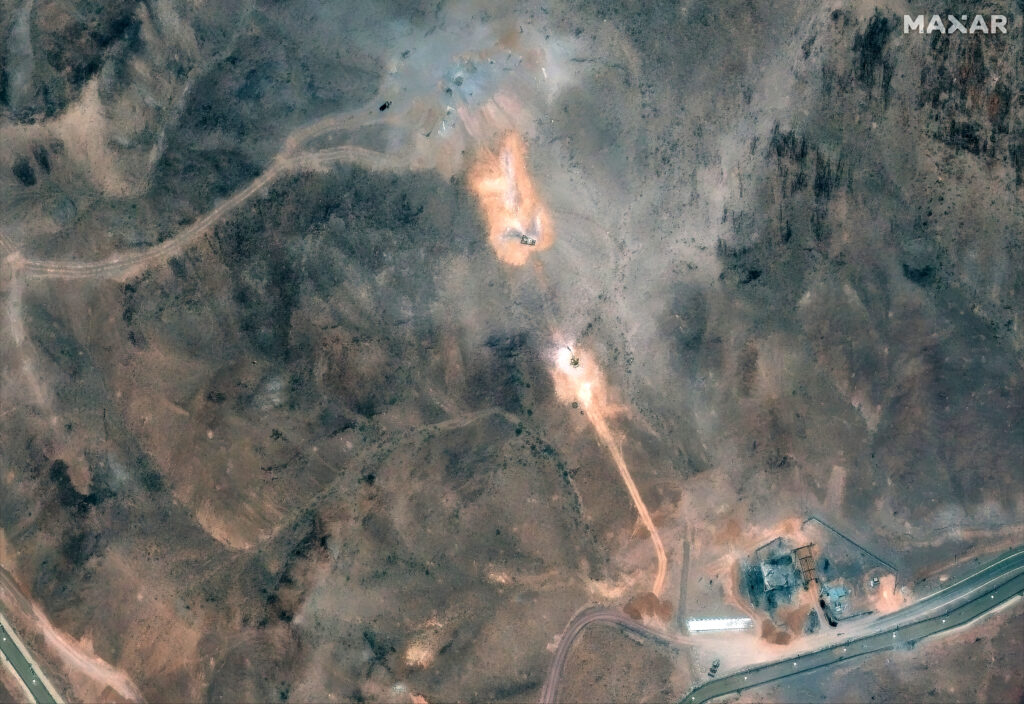
Britain, France and Germany have told the United Nations they are ready to reimpose UN-mandated sanctions on Iran over its nuclear programme if no diplomatic solution is found by the end of August, according to a joint letter obtained by AFP.The letter to UN Secretary-General Antonio Guterres and the UN Security Council says the three European powers are “committed to use all diplomatic tools at our disposal to ensure Iran does not develop a nuclear weapon” unless Tehran meets the deadline.The foreign ministers from the so-called E3 group threaten to use a “snapback mechanism” that was part of a 2015 international deal with Iran that eased UN Security Council sanctions. Under the deal, which terminates in October, any party to the accord can restore the sanctions.All three have stepped up warnings to Iran about its suspension of cooperation with the UN nuclear watchdog, the International Atomic Energy Agency. That came after Israel launched a 12-day war with Iran in June, partly seeking to destroy its nuclear capability. The United States staged its own bombing raid during the war.”We have made clear that if Iran is not willing to reach a diplomatic solution before the end of August 2025, or does not seize the opportunity of an extension, E3 are prepared to trigger the snapback mechanism,” foreign ministers Jean-Noel Barrot of France, David Lammy of Britain and Johann Wadephul of Germany said in the letter. All three countries were signatories to the 2015 Joint Comprehensive Plan of Action with the United States, China and Russia that offered the carrot and stick deal for Iran to slow its enrichment of uranium needed for a nuclear weapon.President Donald Trump pulled the United States out of the accord in 2018 during his first term and ordered new sanctions.The European countries said they would stick to the accord. But their letter sets out engagements that the ministers say Iran has breached, including building up a uranium stock more than 40 times the permitted level under the 2015 deal.”The E3 remain fully committed to a diplomatic resolution to the crisis caused by Iran’s nuclear programme and will continue to engage with a view to reaching a negotiated solution.”We are equally ready, and have unambiguous legal grounds, to notify the significant non-performance of JCPOA commitments by Iran … thereby triggering the snapback mechanism, should no satisfactory solution be reached by the end of August 2025,” the ministers wrote in the letter first reported by the Financial Times.- End of cooperation -The United States had already started contacts with Iran, which denies seeking a weapon, over its nuclear activities. But these were halted by the Israeli strikes in June on Iran’s nuclear facilities.Even before the strikes, the international powers had raised concerns about the lack of access given to IAEA inspectors. Iran halted all cooperation with the IAEA after the strikes, but it announced that the agency’s deputy chief was expected in Teheran for talks on a new cooperation deal.Iran’s Foreign Minister Abbas Araghchi sent a letter to the UN last month saying that the European countries did not have the legal right to restore sanctions.The European ministers called this allegation “unfounded”.They insisted that as JCPOA signatories, they would be “clearly and unambiguously legally justified in using relevant provisions” of UN resolutions “to trigger UN snapback to reinstate UNSC resolutions against Iran which would prohibit enrichment and re-impose UN sanctions.”

Fortnite developer claims win against Apple and Google
An Australian court has found Apple and Google misused their market power in a dispute with the maker of wildly popular video game Fortnite.Both Apple and Google kicked Fortnite off their respective app platforms in 2020, after the game designed an in-app payments system that cut the tech giants out of the loop.Developer Epic Games …
Fortnite developer claims win against Apple and Google Read More »
Palestinian mother ‘destroyed’ after image used to deny Gaza starvation
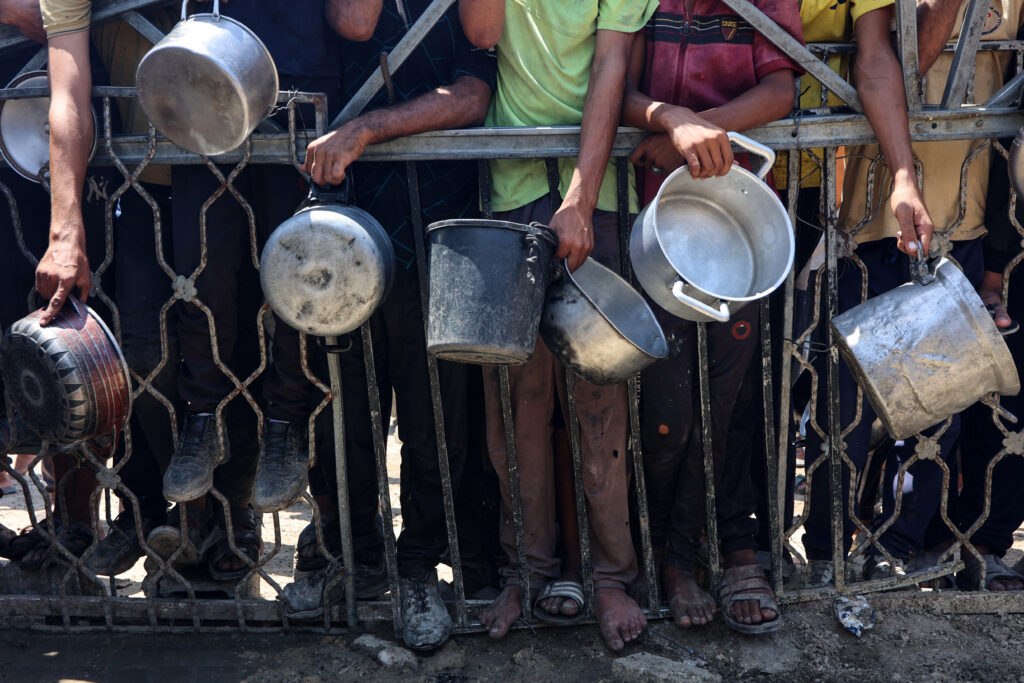
Palestinian-Canadian Faiza Najjar was able to leave Gaza last year, but could not bring her four adult daughters with her. She watched from a distance as food shortages in the territory worsened.From Canada, where she lives with her six other children, Najjar pursued a months-long effort to get those she had left out of Gaza.She finally embraced her daughters and seven grandchildren when they arrived at Toronto’s airport last month.But when clips of the emotional reunion were posted on social media, pro-Israeli accounts mocked her physical appearance saying it disproved claims of starvation in Gaza.”As a mother it just destroyed me,” Najjar, 50, told AFP.Najjar did not claim that she went hungry while in Gaza.But as recently as this past weekend a post viewed more than 300,000 times across multiple platforms ridiculed her, erroneously implying she had just left Gaza.”Did you see what that woman looked like?” the poster said, pointing out Najjar does not look undernourished.United Nations agencies have warned that famine was unfolding in Gaza, with Israel severely restricting the entry of aid. Images of sick and emaciated Palestinian children have drawn international outrage.The allegation has been denied by Israel. “There is no starvation in Gaza,” Prime Minister Benjamin Netanyahu said last month.The ridicule Najjar faced is part of a broader trend.Israeli anchors on the country’s right-wing Channel 14 — sometimes described as the Hebrew Fox News — have laughed at “obese” mothers, alleging they steal their children’s food.For Najjar, the fact that her family’s reunion got caught up in a misinformation campaign was devastating.”After all the suffering, and losing everything, and nearly dying, some people still had the heart to mock them,” she said, referring to her family.”My daughters lived there and their children went to sleep hungry…with bombs outside their tents,” Najjar said.Pro-Israeli commentators online also focused on her grandchildren’s apparently healthy appearance.Najjar told AFP they received medical treatment, including renourishment, at a hospital in Jordan before flying to Canada.- Deflecting attention -Mert Can Bayar, a postdoctoral fellow at the Center for an Informed Public at the University of Washington, said the posts targeting Najjar are “just one little piece” of a misleading online narrative.Toronto’s Mayor Olivia Chow removed a video she had posted on Instagram in which she welcomed arriving Palestinians because of abusive comments directed at the family.Comments on Chow’s video also cited the family’s physical appearance to broadly dismiss claims of starvation in Gaza.X’s chatbot Grok also misidentified a 2025 AFP photo of an emaciated child in Gaza, incorrectly saying it was taken in Yemen seven years ago, fuelling further claims that reports of starvation in Gaza have been fabricated.Valerie Wirtschafter, a fellow at the Brookings Institution think-tank, said the claims were reminiscent of falsehoods that emerged weeks into the war alleging Palestinians had posed as so-called crisis actors and staged their injuries. Wirtschafter said the hoax narrative “deflects from the real humanitarian harms that are happening right now.”- ‘Denial’ -Israel’s offensive has killed at least 61,430 Palestinians, according to Gaza’s health ministry, figures the United Nations deems reliable.Hamas’s October 2023 attack on Israel, which triggered the war, resulted in the deaths of 1,219 people, according to an AFP tally based on official figures. Forty-nine of the 251 hostages taken by Hamas are still held in Gaza, including 27 the Israeli military says are dead.When Najjar left Gaza last year, her daughters — all in their 20s — did not have Canadian citizenship.With the family separated, she lived with crippling fear at the prospect of receiving word that they had been killed.While her daughters now have citizenship and are in Canada with their children, her sons-in-law remain in Gaza, where the UN’s Integrated Food Security Phase Classification says “widespread starvation, malnutrition, and disease are driving a rise in hunger-related deaths.””I just want the world to know the crisis is real,” Najjar told AFP. “Denial is deadly.”