
AFP Asia Business
Pope preaches unity at gathering of Christian, Muslim leaders in Beirut
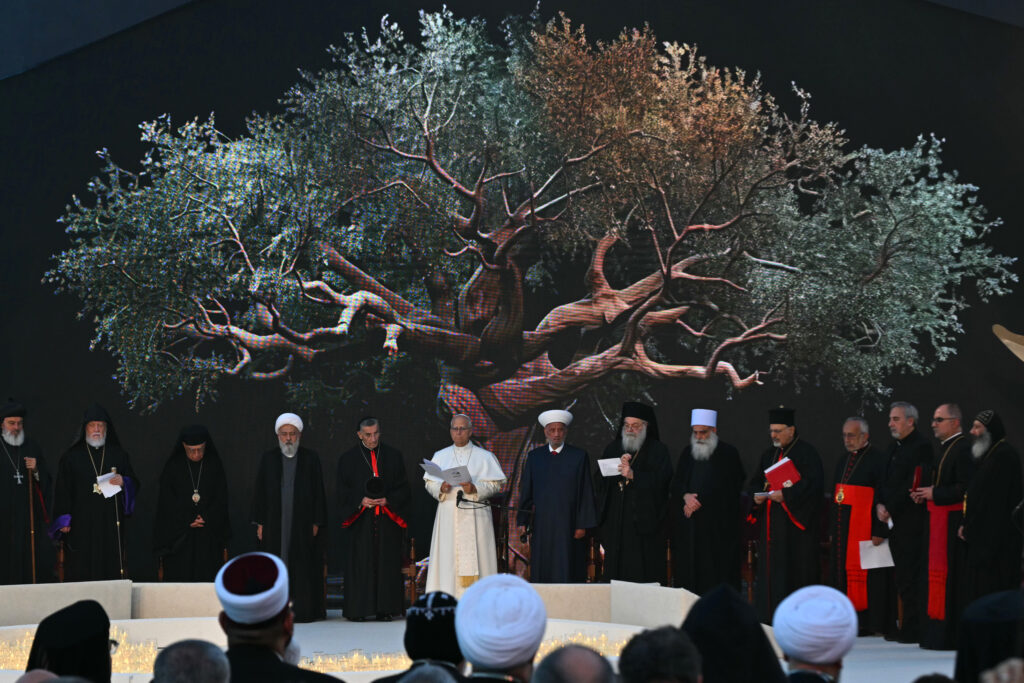
In a Beirut square that was once a physical embodiment of Lebanon’s sectarian rifts, Christian and Muslim leaders united around Pope Leo XIV on Monday as he urged them to work for peace in their divided nation.Lebanon, whose political system has long been based on religious balance, suffered through years of sectarian conflict, and faith leaders at Monday’s interreligious meeting emphasised the importance of unity and coexistence.Speaking from Martyrs’ Square — which served as a demarcation dividing Beirut along sectarian lines during Lebanon’s 1975-1990 civil war — Leo called on the leaders to be “builders of peace: to confront intolerance, overcome violence and banish exclusion, illuminating the path toward justice and concord”.He sat surrounded by the spiritual heads of 16 Muslim and Christian denominations, out of the 18 recognised by Lebanon.The Jewish and Ismaili faiths were not represented, as those recognised communities have very few members remaining in the country.As the call to prayer was heard from the nearby Mohammed al-Amin mosque, which is located next to a church, clerics gave speeches and a children’s choir sang Christian and Muslim hymns.Under a pavilion erected for the occasion, the leaders stood on a stage bearing the word “peace” in French and Arabic.The meeting “highlights that Lebanon is a country with great experience in dialogue and meetings between sects”, said Naila Tabbara, founder of the Adyan foundation, which focuses on interreligious rapprochement.”Even in the most difficult times, this dialogue has continued,” she added, saying that the pope wished to show that “solidarity that transcends affiliations does not exist in any other country” in the region.- Symbolic olive tree -Lebanon’s religious diversity is reflected in its political system.The president of the republic must always be a Maronite Christian — the only Christian leader in the Arab world — while the prime minister must be a Sunni Muslim and the speaker of parliament a Shiite Muslim.But political and religious divisions have repeatedly been exacerbated by Lebanon’s many crises, most recently the war between the Iran-backed militant group Hezbollah and Israel.Shiite Hezbollah had opened a “solidarity front” with its ally Hamas in Gaza by launching rockets at Israel, sparking anger in other Lebanese communities.Leo’s visit — part of his first trip abroad as pontiff — “underscores the importance of dialogue and coexistence in Lebanon”, said Fuad Khreis, a Shiite cleric.”Lebanon is strong because of its people and all its sects… We must stand together as one and talk to each other, especially in light of the difficult situation we are suffering through.”In his speech, Pope Leo said coexistence in Lebanon was “a mission that remains unchanged throughout the history of this beloved land: to bear witness to the enduring truth that Christians, Muslims, Druze and countless others can live together and build a country united by respect and dialogue”.He concluded the meeting by planting an olive tree, saying it “not only adorns this space in which we gather today, but it is also revered in the sacred texts of Christianity, Judaism, and Islam, serving as a timeless symbol of reconciliation and peace”.
Pope gets rockstar welcome as he delivers message of hope to Lebanese youth
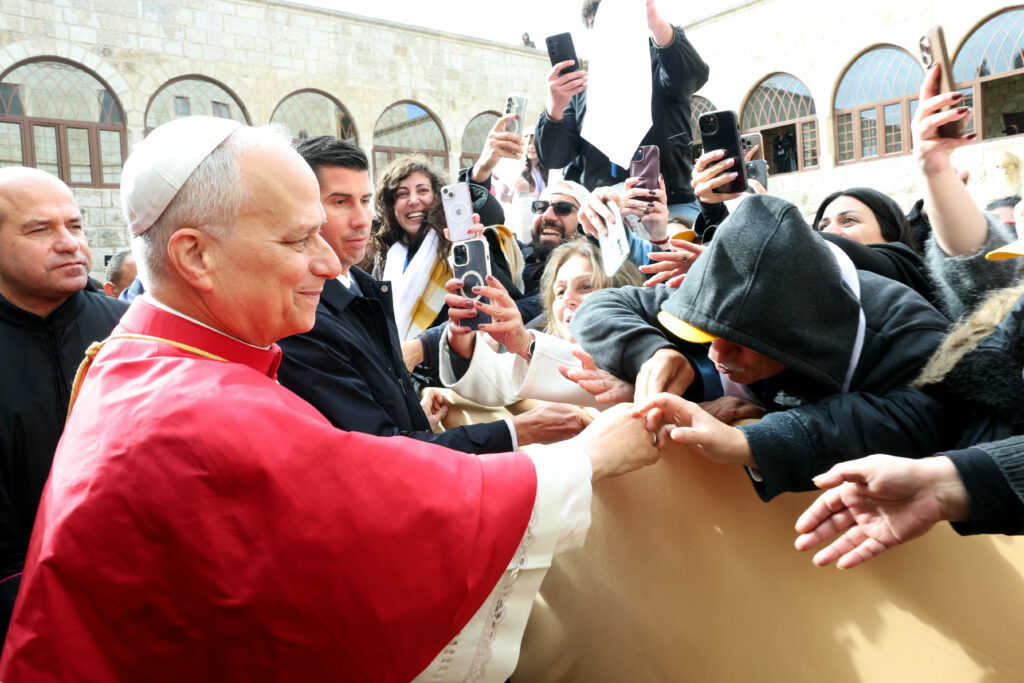
Pope Leo XIV got a rockstar welcome from thousands of Lebanese youth on Monday, bringing them a message of hope on the second day of his visit to the crisis-hit country.Locals have joyfully welcomed the American pontiff, turning out in their thousands to his public appearances and lining streets where his motorcade has passed, waving Vatican flags, ululating and throwing rice in celebration despite intermittent rain.But at Monday evening’s youth event in Bkerke, north of Beirut, the jubilation hit a fever pitch as the pope was met with cheers, whistling and thunderous applause as attendees jostled to shoot photos and videos with their mobile phones.Leo urged the crowd — said by organisers to number around 15,000 — to “build a better world than the one you inherited”, after hearing testimonies from several young people who spoke of the grave difficulties they and their country are facing.”You have the enthusiasm to change the course of history,” the pontiff said.”Young people of Lebanon, grow strong like the cedars and make the world blossom with hope!” he continued.”Be the source of hope that the country is waiting for!”Many Lebanese, particularly young people, left the country after the 2019 onset of a crushing economic crisis, widely blamed on official corruption and mismanagement, or following the devastating explosion at Beirut’s port the following year.Fears have also grown recently of renewed war between Israel and Hezbollah despite a ceasefire in November 2024 that sought to end more than a year of hostilities between the foes.- ‘Coexistence’ -Stephanie Nasr, 25, said she was “very moved” by the pope’s message.”Of course it’s a message of peace, but it’s also recognition of all the resilience that we’ve shown, and the solidarity that Lebanon and young people have displayed in recent years,” she told AFP.Earlier Monday, Pope Leo met with leaders from Lebanon’s myriad religious communities in a show of unity.”You are called to be builders of peace: to confront intolerance, overcome violence, and banish exclusion, illuminating the path toward justice,” he told them.”In an age when coexistence can seem like a distant dream, the people of Lebanon… stand as a powerful reminder that fear, distrust and prejudice do not have the final word, and that unity, reconciliation, and peace are possible,” he added.While long hailed as a model of coexistence, Lebanon was devastated by a 1975-1990 civil war waged along sectarian lines, and the country is still plagued by deep rifts.On Monday morning, Leo visited a monastery hosting the tomb of Saint Charbel, who enjoys broad popularity in Lebanon beyond the Christian community.”For the world, we ask for peace. We especially implore it for Lebanon and for the entire Levant,” he said.In Harissa, where a giant statue of Our Lady of Lebanon overlooks the Mediterranean from a plunging hilltop, Leo shook hands with religious people and pastoral workers who had gathered for a packed event in the nearby basilica. Prayer “gives us the strength to continue to hope and work, even when surrounded by the sound of weapons and when the very necessities of daily life become a challenge”, he told attendees.- ‘Message of peace’ -Tony Elias, 43, a priest from the village of Rmeish along Lebanon’s border with Israel, said that “we have lived through nearly two and a half years of war, but have never been without hope”.Leo “has come to confirm that what we have gone through has not been in vain, and we believe that he brings a real message of peace — a living peace”, he told AFP from Harissa.In spite of the ceasefire, Israel has continued to carry out strikes in Lebanon, intensifying its attacks in recent weeks, and the cash-strapped Lebanese government has come under heavy US pressure to disarm the Iran-backed militants.Pope Leo arrived from Turkey on Sunday on his inaugural visit abroad as pontiff.Lebanese authorities have proclaimed Monday and Tuesday official holidays, and ramped-up security measures include road closures and a ban on drone photography.”Everyone goes to Rome to see the pope, but he has come to us,” said Therese Daraouni, 61, calling the visit “the greatest blessing”.Yasmine Chidiac, who was hoping to catch sight of Leo, said the trip “has brought a smile back to our faces”.
Iran sentences director Jafar Panahi to year in prison: lawyer
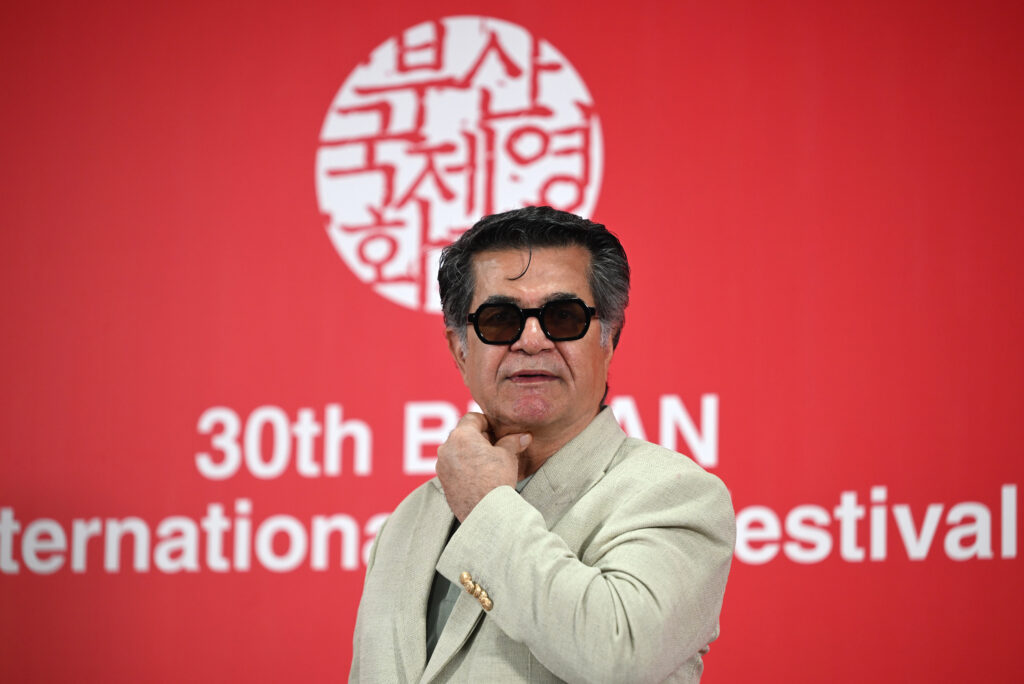
Iran has sentenced Palme d’Or-winning filmmaker Jafar Panahi in absentia to one year in prison and a travel ban over “propaganda activities” against the country, his lawyer told AFP on Monday.The sentence includes a two-year travel ban and prohibition of Panahi from membership in any political or social groups, lawyer Mostafa Nili told AFP, adding that they would file an appeal.Nili said the charges against Panahi were engaging in “propaganda activities” against the state but did not elaborate. “Mr. Panahi is outside Iran right now,” he added. Panahi, 65, won the Cannes Film Festival’s top prize this year for “It Was Just an Accident”, a film in which five ex-inmates contemplate whether to exact revenge on a man they believe to be their former jailer. Last month, he was on a tour of the United States visiting Los Angeles, New York and Telluride to promote his latest Oscar-hopeful movie. The film has been selected by France as its official nomination for the Academy Awards, and is widely expected to make the shortlist for the Best International Feature at the gala event in March.Panahi’s win was reported by Iranian media which at the time hailed the award with a picture of him.Panahi has won a host of prizes at European film festivals and showcased his debut film “The White Balloon” in Cannes in 1995 which won an award for best first feature. In 2010, Panahi was banned from making movies and from leaving the country after supporting mass anti-government protests a year earlier and making a series of films that critiqued the state of modern Iran.Convicted of “propaganda against the system”, he was sentenced to six years in jail but served only two months behind bars before being released on bail.A year after being handed a 20-year ban on filmmaking he dispatched a documentary with the title “This is Not a Film” to the Cannes Festival on a flash drive stashed in a cake.His 2015 movie “Taxi” featured him acting as a taxi driver and was shot entirely in a car.In 2022, he was arrested in connection with protests by a group of filmmakers but was released nearly seven months later.Iranian filmmakers, prominent media figures and celebrities are closely monitored in Iran and their work reviewed for content deemed critical of the Islamic republic. Last year, multi-award-winning director Mohammad Rasoulof fled Iran to escape a prison sentence on charges of “collusion against national security”.
Pope urges Lebanon’s religious leaders to fight intolerance
Pope Leo XIV and leaders from Lebanon’s religious communities met in a show of unity on Monday, with the pontiff urging them to combat intolerance on day two of his visit.Lebanese have joyfully welcomed the American pontiff, turning out in their thousands to his public appearances and lining streets where his motorcade has passed, waving Vatican flags and sometimes ululating or throwing rice in celebration despite intermittent rain.”You are called to be builders of peace: to confront intolerance, overcome violence, and banish exclusion, illuminating the path toward justice,” Pope Leo told 16 leaders from Lebanon’s 18 officially recognised religious denominations.”In an age when coexistence can seem like a distant dream, the people of Lebanon, while embracing different religions, stand as a powerful reminder that fear, distrust and prejudice do not have the final word, and that unity, reconciliation, and peace are possible,” he added.The event in a marquee in Beirut’s Martyrs’ Square near several mosques and churches included a reading from the Koran and remarks by leaders from Orthodox churches and the Sunni, Shiite, Druze and Alawite communities, who also emphasised the importance of coexistence.While long hailed as a model of tolerance, Lebanon was devastated by a 1975-1990 civil war along sectarian lines and is still plagued by deep rifts.Leo arrived from Turkey on Sunday on his inaugural visit abroad as pontiff and brought a message of hope, particularly to young people in Lebanon whose faith in their crisis-hit country has dwindled.- ‘Never without hope’ -“For the world, we ask for peace. We especially implore it for Lebanon and for the entire Levant,” Leo said earlier Monday from a monastery in Annaya hosting the tomb of Saint Charbel, who enjoys broad popularity in Lebanon beyond the Christian community.The pontiff then visited Harissa, where a giant statue of Our Lady of Lebanon overlooks the Mediterranean from a plunging hilltop. The site also draws visitors of all faiths. A packed gathering of bishops, other religious figures and pastoral workers in Harissa’s towering basilica erupted into cheers and applause as the pontiff entered, shaking hands with people including priests and nuns, some of whom kissed his hand.Prayer “gives us the strength to continue to hope and work, even when surrounded by the sound of weapons and when the very necessities of daily life become a challenge”, the pontiff told the event after hearing testimonies from participants.”It is necessary, even among the rubble of a world that has its own painful failures”, to offer young people “concrete and viable prospects for rebirth and future growth,” he added.Many Lebanese, particularly young people, left the country after a crushing economic crisis, widely blamed on official corruption and mismanagement, began in 2019.Fears have grown in the country of a renewed war between Israel and Hezbollah despite a ceasefire in November 2024 that sought to end more than a year of hostilities.Israel has intensified strikes on Lebanon in recent weeks despite the truce, while the cash-strapped Lebanese government is under heavy US pressure to disarm the Iran-backed militants.- Youth meeting -Tony Elias, 43, a priest from the village of Rmeish along Lebanon’s border with Israel, said that “we have lived through nearly two and a half years of war, but have never been without hope.”Leo “has come to confirm that what we have gone through has not been in vain, and we believe that he brings a real message of peace — a living peace”, he told AFP.The pope is to meet young people at the patriarchate of Lebanon’s Maronite church in Bkerke, outside the capital.More than 10,000 people aged 16 to 35 have registered to attend, according to organisers, including more than 500 from abroad. “Everyone goes to Rome to see the pope, but he has come to us,” said housewife Therese Daraouni, 61, who had waited along the roadside to see Leo.”This is the greatest blessing, and the greatest grace and hope for Lebanon. I hope people unite for the sake of Lebanon and its people,” she told AFP.Yasmine Chidiac, who was hoping to catch sight of Leo, said the trip “has brought a smile back to our faces”.Authorities have proclaimed Monday and Tuesday official holidays, and ramped-up security measures include road closures and a ban on drone photography.
Pope prays for peace in Lebanon and the region
Pope Leo XIV prayed for peace in Lebanon and the region on Monday on day two of his trip to the multi-confessional country, with joyful Lebanese welcoming the pontiff at two famous pilgrimage sites.Thousands of people cheered, ululated and threw rice in celebration as the pope travelled in the popemobile to a monastery in Annaya in the mountains north of Beirut which hosts the tomb of Saint Charbel, AFP photographers said.Pope Leo arrived from Turkey on Sunday on his inaugural visit abroad as pontiff and brought a message of hope, particularly to young people in Lebanon whose faith in their crisis-hit country has dwindled.”For the world, we ask for peace. We especially implore it for Lebanon and for the entire Levant,” the pope said from deep inside the candle-lit stone monastery.Saint Charbel, who was canonised in 1977, enjoys broad popularity in Lebanon beyond the Christian community, with depictions of the white-bearded saint found in homes, vehicles and workplaces.The pontiff then visited Harissa, also north of Beirut, where a giant statue of Our Lady of Lebanon overlooks the Mediterranean from a plunging hilltop.The shrine is visited by Lebanese of all faiths, and Pope Leo called it “a symbol of unity for the entire Lebanese people”.The crowd at the site’s towering modern basilica erupted into cheers and applause as the pontiff entered, shaking hands with people including priests and nuns, some of whom kissed his hand.Prayer “gives us the strength to continue to hope and work, even when surrounded by the sound of weapons and when the very necessities of daily life become a challenge”, the pontiff told the packed gathering of bishops, other religious figures and pastoral workers, after hearing testimonies from participants.- ‘Message of peace’ -“I am reminded of the responsibility we all bear towards young people,” Leo said.”It is necessary, even among the rubble of a world that has its own painful failures, to offer them concrete and viable prospects for rebirth and future growth,” he added.Many Lebanese, particularly young people, left the country after a crushing economic crisis, widely blamed on official corruption and mismanagement, began in 2019.Fears have grown in the country of a renewed war between Israel and Hezbollah despite a ceasefire in November 2024 that sought to end more than a year of hostilities.Israel has intensified strikes on Lebanon in recent weeks despite the truce, while the cash-strapped Lebanese government is under heavy US pressure to disarm the Iran-backed militants.Tony Elias, 43, a priest from the village of Rmeish along Lebanon’s border with Israel, said that “we have lived through nearly two and a half years of war, but have never been without hope.”Leo “has come to confirm that what we have gone through has not been in vain, and we believe that he brings a real message of peace — a living peace”, he told AFP.A day earlier, the pope called on Lebanon’s leaders to serve their long-suffering people, and many Lebanese on Monday expressed their joy at the pontiff’s visit.”Everyone goes to Rome to see the pope, but he has come to us,” said housewife Therese Daraouni, 61, who was among those waiting along the roadside to see Leo.”This is the greatest blessing, and the greatest grace and hope for Lebanon. I hope people unite for the sake of Lebanon and its people,” she told AFP.- Inter-religious meeting -Yasmine Chidiac, who was hoping to catch sight of Leo, said “we are very happy about the pope’s visit. His trip has brought a smile back to our faces”.The pope is to hold an inter-religious event in central Beirut’s Martyrs’ Square with figures from many of Lebanon’s 18 officially recognised religious denominations.He will then meet young people at the patriarchate of Lebanon’s Maronite church in Bkerke, outside the capital.On Sunday, Leo called on Lebanon’s leaders to place themselves “with commitment and dedication at the service” of the people and urged reconciliation in a country where divisions from the 1975-1990 civil war have never fully healed.More than 10,000 people aged 16 to 35 have registered to attend, according to organisers, including more than 500 from abroad. Authorities have proclaimed Monday and Tuesday as official holidays, and ramped-up security measures include road closures and a ban on all drone photography.