
AFP Asia Business
Israel blocks Canada lawmakers at West Bank border crossing
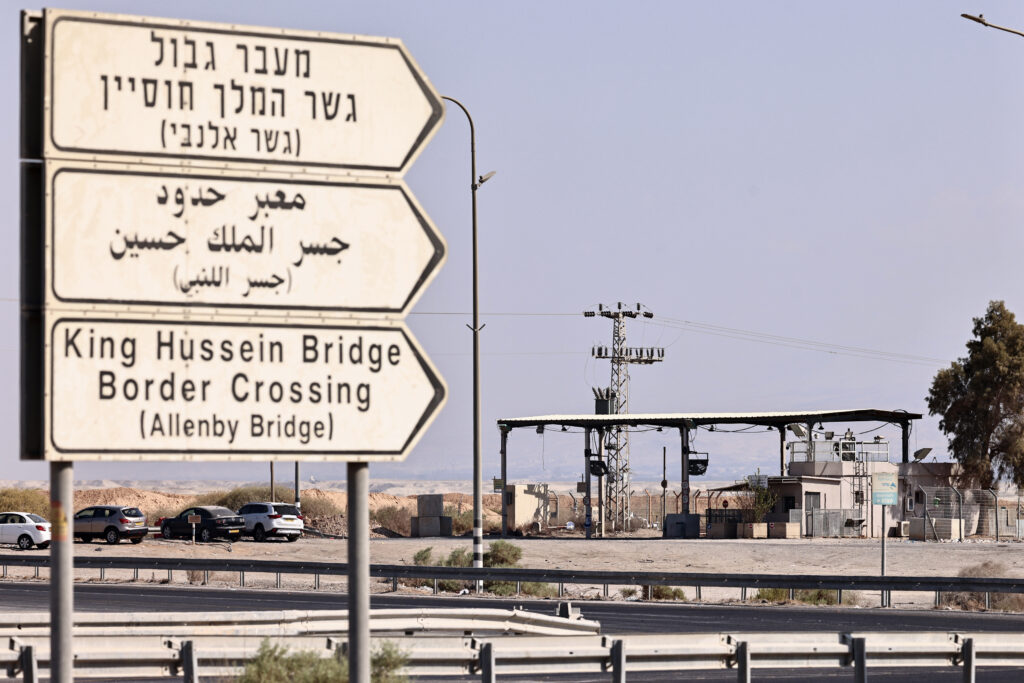
Six members of Canada’s parliament travelling from Jordan were denied entry to the occupied West Bank on Tuesday by Israeli authorities who accused the delegation of being sponsored by “a terror entity.”Jenny Kwan, an opposition lawmaker with Canada’s left-wing New Democratic Party, told AFP that one MP, Iqra Khalid of Prime Minister Mark Carney’s Liberal Party, was “pushed multiple times” by an Israeli border officer.The lawmakers were on a trip sponsored by Canadian-Muslim Vote, a charity group.Israel’s embassy in Canada told AFP in a statement that the charity receives funding from Islamic Relief Canada, a subsidiary of Islamic Relief Worldwide (IRW), which has been “listed as a terror entity by the State of Israel.”IRW has rejected Israel’s long-standing charge that it is a terrorist group with ties to Hamas.Kwan said the delegation gave Israeli authorities prior warning about their trip, which included a range of planned meetings with aid groups, as well as Palestinian and Jewish civil society leaders.”The Government of Canada formally notified the Government of Israel ahead of the delegation’s travel,” she said in a statement.”Electronic travel authorizations to enter the West Bank were initially approved,” but on arrival at the Allenby Bridge crossing on Tuesday “the entire delegation was denied entry to the West Bank.”Kwan told AFP that before leaving Canada she considered the prospect that the group would encounter difficulties because of Carney’s decision to recognize Palestinian statehood at the United Nations General Assembly in September.”I wondered whether or not this would be an issue,” she said, but ultimately put it out of her mind after the trip was approved.Kwan said the delegation had returned to Jordan’s capital Amman.Canada’s Foreign Minister Anita Anand said on social media that Ottawa “has expressed Canada’s objections regarding the mistreatment of these Canadians.”
Iran refusing to allow independent medical examination of Nobel winner: family
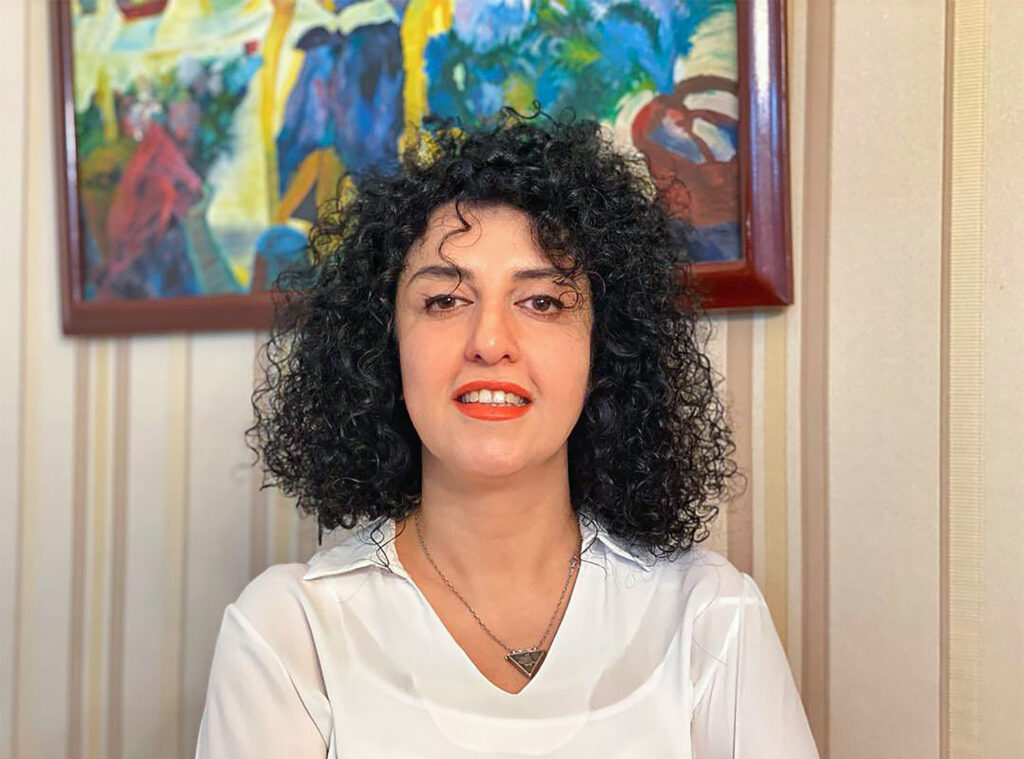
Iranian authorities are refusing to allow an independent medical examination of Nobel peace prize winner Narges Mohammadi after she was beaten during her arrest last week, her family said on Tuesday.Her brother Hamid Reza Mohammadi, who lives in Norway, told reporters in Paris via video link that she had informed her other brother in Iran in a brief telephone call late on Sunday that police had beaten her with truncheons on her face, head and neck.Mohammadi, who won the Nobel prize in 2023, was detained along with dozens of activists on Friday after addressing a memorial ceremony in the eastern city of Mashhad for the lawyer Khosrow Alikordi, who was found dead earlier this month.”She has bruises on her neck and face,” Hamid Reza Mohammadi said. “She was in a very bad condition physically.””My brother (inside Iran) has tried to convince them to agree for an independent doctor to examine her to make sure she has no internal bleeding in the head or any other organ.””But they have not agreed to it. We are very worried about how she is being held, where she is being held and how she is treated,” he added.Her husband Taghi Rahmani, who lives in Paris, added: “My brother-in-law asked for an independent doctor to examine her but they refused. Now we are very worried about what will happen to her.”Her supporters had said on Monday that prison authorities twice took Mohammadi to hospital after her arrest. In a separate statement on Tuesday, Amnesty International accused Iranian security forces of carrying out “torture and other ill-treatment” during the arrest, including by “violently beating” Narges Mohammadi and her fellow activist Alieh Motalbzadeh.- ‘Massive repression’ -Iranian authorities have said 39 people were detained at the memorial ceremony, including Alikordi’s brother Javad.But the Mohammadi family’s Paris-based lawyer Chirinne Ardakani said “at least 50 were arbitrarily detained” at the ceremony, which she said was attended by some 1,500 people and was addressed by Narges Mohammadi amid a heavy presence by security forces mounted on motorbikes.She said Mohammadi along with the other activists had been detained after she gave a defiant speech facing the security forces at the memorial for Alikordi, a 45-year-old lawyer who had defended clients arrested at protests.Rights groups, including Mohammadi’s foundation, regard his death as suspicious although the authorities insist he died of a heart attack.Ardakani said Mohammadi had told the gathering that “we stand tall, as brothers and sisters, we will stand tall until victory. Long live the fighters for freedom!””Immediately after saying this she (Mohammadi) was surrounded” and arrested, said Ardakani.Images from the scene posted on social media showed Mohammadi, who was not wearing the Islamic headscarf obligatory for women in Iran, standing on top of a car as the crowd chanted slogans against the authorities.Activists say Iran remains in the throes of a deep crackdown more than five months after the end of the 12-day war against Israel, with 1,400 executed so far this year.A UN fact-finding mission in October reported more than 21,000 arrests during the war, as well as 1,200 executions in the year to that point, well above usual levels.Ardakani said the team of rights groups and lawyers supporting Mohammadi were also planning to file “in the next days” a communication with the office of the prosecutor of the Hague-based International Criminal Court (ICC) alleging “crimes against humanity” are being committed by the Islamic republic.She acknowledged that Iran was not a party to the court and has not signed up to its Rome statue but said an investigation could be opened under its article 15 due to the “massive and generalised character of the repression”.